Jun. 26, 2026
|
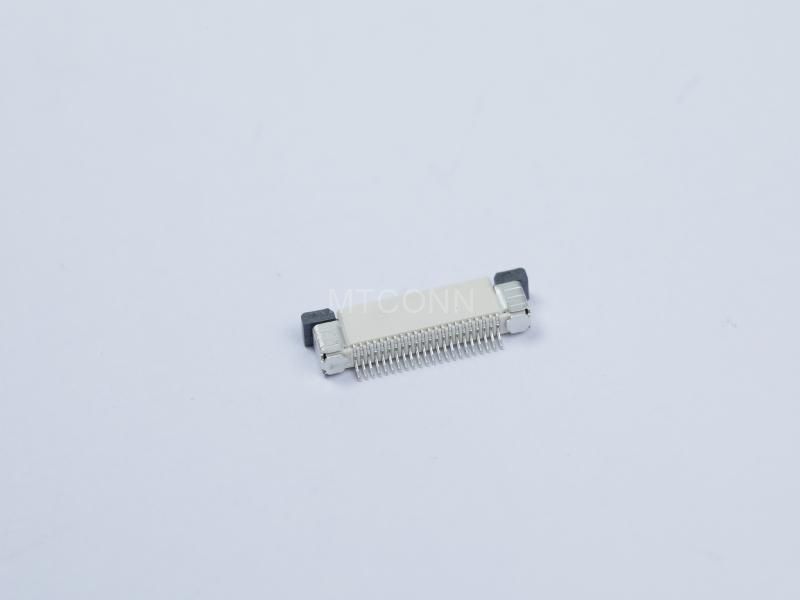
In the rapidly evolving landscape of electronics manufacturing, the importance of Surface Mount Technology (SMT) compatibility in Flexible Printed Circuit (FPC) connectors cannot be overstated. As manufacturers race to produce high-performance devices that meet consumer demands, overlooking SMT compatibility can have severe ramifications. The underlying problem lies in the misalignment between production capabilities and design innovations, often leading to significant production delays, elevated costs, and compromised product quality. The urgency to understand and prioritize SMT compatibility is further amplified by the escalating expectations of both businesses and consumers in an increasingly competitive market.
Understanding why SMT compatibility can create challenges is essential for manufacturers. Some of the primary causes include inadequate design specifications and lack of industry-standard certifications. Without proper specifications, connectors may not be able to withstand the precision requirements that SMT assembly demands, which can lead to inconsistencies in performance. As technology evolves, manufacturers also face the pressure of continuous updates to testing standards, including ASTM and DIN, which serve as benchmarks for quality assurance. Moreover, poor compatibility can lead to defects that, while not immediately apparent, can escalate into significant failures during product lifecycles.
The ramifications of neglecting SMT compatibility extend far beyond the manufacturing floor. From a business perspective, companies can experience a cascading effect on their operations. An FPC connector manufacturer lacking SMT compatibility may find themselves facing increased rework costs, longer time-to-market cycles, and strained customer relations due to quality issues. This not only affects the bottom line but also jeopardizes the brand’s reputation in a marketplace where reliability is paramount. In our competitive industry, where safety and performance are intertwined, the ramifications become even more pressing.
To illustrate the potential fallout, consider a recent case study wherein a leading FPC connector manufacturer faced significant backlash after launching a product that experienced recurring issues with SMT compatibility. Despite investing heavily in R&D, the lack of attention to SMT compatibility rendered their connectors vulnerable to solder joint failures during assembly. The estimated cost of rectification escalated to millions of dollars and damaged their market position significantly. Such examples highlight the immediate and long-term consequences of neglecting SMT compatibility in FPC connector production and the critical need for manufacturers to fine-tune their processes to safeguard against similar pitfalls.
The risks of ignoring SMT compatibility are non-trivial. Poor production choices can result in unrecoverable losses, particularly if companies find themselves having to make substantial changes to their design or manufacturing processes mid-cycle. As we adapt to rapid technological advances and shifts in user preferences, the potential for detriment only rises. Businesses that fail to adapt may find themselves unable to compete effectively, leading to diminished market share and, eventually, potential bankruptcy.
In conclusion, prioritizing SMT compatibility is critical for modern FPC connector manufacturing. If you are an FPC connector manufacturer seeking to enhance your product reliability and ensure your place in the competitive electronics landscape, I urge you to take immediate action. Emphasizing rigorous testing standards and aligning your manufacturing processes with SMT compatibility will not only elevate your product's quality but also secure your company's longevity. The implications are clear: in a world where precision and reliability reign, addressing SMT compatibility is not just an option; it’s a necessity. For more insights into this vital aspect of FPC connector manufacturing, explore our resources at M&T.
Latest News
Learn MoreSep
20, 2026
How Automated Optical Inspection Improves FPC Connector Quality Control
Automated Optical Inspection (AOI) is a process that utilizes cameras and advanced image processing to detect defects in printed circuit boards (PCBs) and flexible printed circuits (FPCs). AOI systems enhance the quality control process by providing real-time inspection and feedback....
Sep
20, 2026
Top Challenges in Exporting FPC Connectors to Europe and North America
As the demand for flexible printed circuit (FPC) connectors continues to rise globally, businesses looking to export these essential components face significant challenges, particularly when targeting markets in Europe and North America. Common pain points include compliance with stringent regulations, navigating complex supply chains, and mitigating currency fluctuations. Addressing these...
Aug
24, 2026
How FPC Connectors Improve Reliability in Foldable Display Devices
How FPC Connectors Improve Reliability in Foldable Display Devices...
Hot Products
Tell us what products you need.
We're here to help and will respond quickly!

Telephone:
+86 769 2305 0865

WeChat:
+86 135 4374 6930 (Jeremy)
+86 134 2479 8678 (Paul)

WhatsApp:

E-mail: