
Sep. 28, 2026
|
In the rapidly evolving landscape of wearable electronics, the demand for high-performance components is at an all-time high. One often overlooked but critical component is the Flexible Printed Circuit (FPC) connector. I’ve seen firsthand how the durability of these connectors can significantly impact device performance and longevity. When FPC connectors fail, they can lead to device malfunctions, frustrating users and resulting in costly repairs or replacements. The stakes are high: neglecting the importance of connector durability could mean the difference between a product that excels in the market and one that is left behind. The implications can be far-reaching; from consumer dissatisfaction to diminished brand reputation, the urgency to address this issue cannot be understated.
At the core of FPC connector durability issues is the environment in which wearable devices operate. These connectors are often exposed to continuous flexing, moisture, and varying temperatures—elements that can lead to micro-cracks or material degradation over time. For instance, during repetitive motion activities, bending can affect the physical integrity of the connectors, leading to failures that can occur at the most inconvenient times. This is a particular concern when designing wearable electronics that will be used in highly dynamic environments, such as fitness tracking or medical monitoring. Therefore, understanding the stressors that FPC connectors face is crucial to ensuring that products remain functional and reliable.
From an industry perspective, the impact of FPC connector durability cannot be understated. Manufacturers who invest in high-quality connectors ensure their devices are not only more reliable but also more competitive in an aggressive marketplace. For example, companies that adopt stringent testing standards, such as ASTM and DIN, to validate connector durability can market their products as superior. This not only enhances brand loyalty but also opens doors for partnerships with entities that prioritize quality in their supply chains. I believe that businesses that overlook the importance of FPC connector durability are courting disaster in a market where consumer expectations for reliability and performance are continually rising.
Studies have shown that using higher-quality FPC connectors can reduce failure rates by as much as 30%. A notable case is M&T, a renowned FPC connector manufacturer, whose products have been rigorously tested to withstand conditions that mimic real-world application. Their connectors boast a precision tolerance of 0.01mm and a 100% inspection rate, ensuring that each piece meets stringent quality criteria. This commitment has translated into substantial savings on warranty claims and customer service costs, reinforcing the value of investing in durable components for wearable technology.
The risks associated with neglecting the durability of FPC connectors extend beyond merely repairing devices. When companies fail to address this issue, they expose themselves to potential brand damage and loss of consumer trust. Users are increasingly vocal about their experiences, especially in an age of social media where a single negative review can travel far and fast. As lifestyles evolve and businesses pivot to meet changing consumer needs, the durability of FPC connectors will play a pivotal role in determining the success of new wearable devices. The reality is clear: brands that skimp on quality will find it increasingly difficult to compete in a landscape where reliability is not just an expectation, but a necessity.
In conclusion, the durability of FPC connectors is an essential consideration for anyone involved in the production of wearable electronics. Considering the complexities of modern usage and the potential consequences of performance failures, I urge stakeholders in this space to prioritize the quality of their components. By ensuring that FPC connectors meet and exceed industry standards, manufacturers like M&T can lead the way in producing reliable wearable technology that satisfies consumer demands. To outpace competitors and solidify your market position, now is the time to act and invest thoughtfully in the durability of your products.
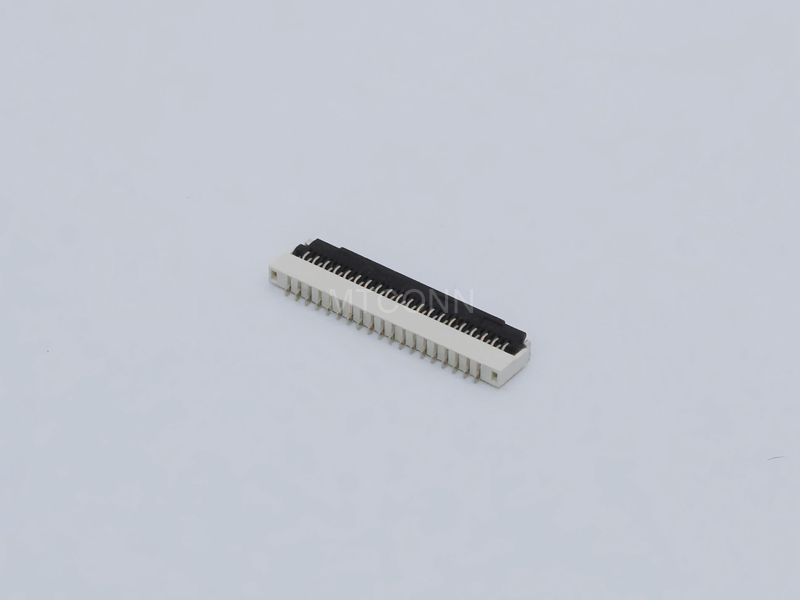
Latest News
Learn MoreSep
28, 2026
Why FPC Connector Durability Matters in Wearable Electronics
In the rapidly evolving landscape of wearable electronics, the demand for high-performance components is at an all-time high. One often overlooked but critical component is the Flexible Printed Circuit (FPC) connector. I’ve seen firsthand how the durability of these connectors can significantly impact device performance and longevity. When FPC connectors fail, they can lead to device...
Sep
28, 2026
What Are the Key Specifications Buyers Should Compare in FPC Connectors
Unlocking the Future with FPC Connectors: A Deep Dive into Their Specifications and Benefits...
Sep
20, 2026
How Automated Optical Inspection Improves FPC Connector Quality Control
Automated Optical Inspection (AOI) is a process that utilizes cameras and advanced image processing to detect defects in printed circuit boards (PCBs) and flexible printed circuits (FPCs). AOI systems enhance the quality control process by providing real-time inspection and feedback....
Hot Products
Tell us what products you need.
We're here to help and will respond quickly!

Telephone:
+86 769 2305 0865

WeChat:
+86 135 4374 6930 (Jeremy)
+86 134 2479 8678 (Paul)

WhatsApp:

E-mail:


