Jun. 26, 2026
|
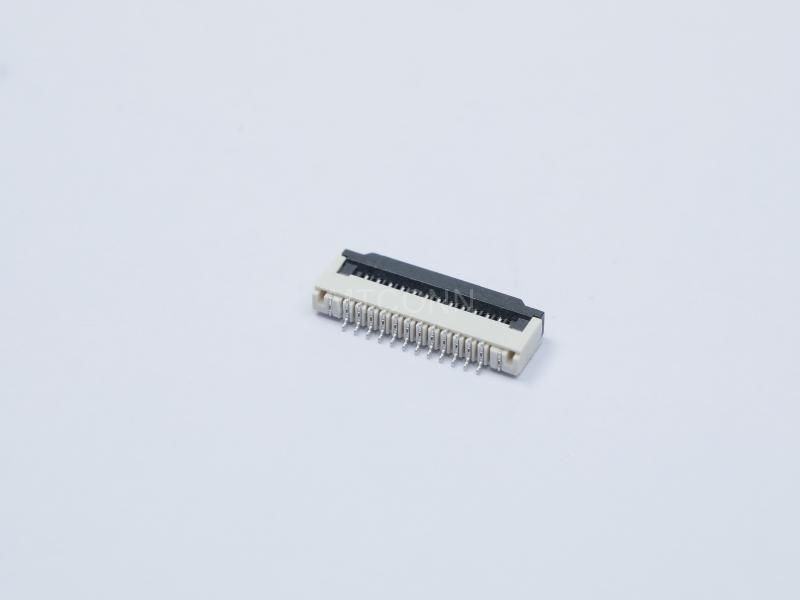
Flexible Printed Circuit (FPC) connectors play a pivotal role in modern electronics, providing essential interconnections in a wide array of devices. Right-angle and vertical FPC connectors, in particular, are prevalent within industries ranging from consumer electronics to automotive applications. Understanding the difference between these two types of connectors is critical for engineers and manufacturers seeking to optimize device performance and reliability.
FPC connectors have evolved over several decades, adapting to the increasing demand for compact and efficient electronic devices. Initially, connectors were bulkier and less user-friendly, but advancements in technology have led to the development of more streamlined options. These connectors are designed to offer minimal height while maintaining secure electrical connectivity, ensuring that devices can operate with precision.
The practical applications of right-angle and vertical FPC connectors vary widely. Right-angle connectors allow for a horizontal routing of flexible circuits, making them ideal for devices where space is limited, such as smartphones, tablets, and laptops. On the other hand, vertical connectors provide a direct connection configuration, which is utilized in scenarios requiring space above the PCB, like automotive controls and medical devices. The significance of choosing the right connector type transcends merely achieving functional design; it influences performance, durability, and even product lifespan, contributing to overall business efficiency.
Despite their importance, there are several common misconceptions regarding these connectors. A prevalent error is assuming that right-angle connectors are always more space-efficient than vertical connectors. However, this is not necessarily the case; the effectiveness of each connector type largely depends on the specific design and layout of the device. Engineers may also mistakenly think that all FPC connectors can handle the same level of electrical current. In reality, specifications such as insulation resistance and contact resistance, defined by standards like ASTM and DIN, determine the true performance capability of each connector.
To further illustrate the importance of selecting the appropriate FPC connector, consider a case study from a leading consumer electronics manufacturer. By opting for right-angle FPC connectors in their latest smartphone model, they achieved a reduction in thickness by 0.5mm, enhancing both aesthetics and performance. Simultaneously, a different product line utilized vertical FPC connectors to maximize internal space for additional features, leading to a 20% increase in sales due to improved functionality.
In summary, understanding the difference between right-angle and vertical FPC connectors is essential for optimizing design and functionality in electronic applications. The choice between these connector types hinges on specific requirements of space, configuration, and electrical performance. For manufacturers and engineers, leveraging these connectors effectively not only fosters innovation but also drives competitive advantages in the market. To explore the vast options available, consider researching reputable FPC connector manufacturers like M&T, ensuring you have access to quality products that meet industry standards. For more insights on FPC connectors, check out the provided resource here.
Latest News
Learn MoreSep
20, 2026
How Automated Optical Inspection Improves FPC Connector Quality Control
Automated Optical Inspection (AOI) is a process that utilizes cameras and advanced image processing to detect defects in printed circuit boards (PCBs) and flexible printed circuits (FPCs). AOI systems enhance the quality control process by providing real-time inspection and feedback....
Sep
20, 2026
Top Challenges in Exporting FPC Connectors to Europe and North America
As the demand for flexible printed circuit (FPC) connectors continues to rise globally, businesses looking to export these essential components face significant challenges, particularly when targeting markets in Europe and North America. Common pain points include compliance with stringent regulations, navigating complex supply chains, and mitigating currency fluctuations. Addressing these...
Aug
24, 2026
How FPC Connectors Improve Reliability in Foldable Display Devices
How FPC Connectors Improve Reliability in Foldable Display Devices...
Hot Products
Tell us what products you need.
We're here to help and will respond quickly!

Telephone:
+86 769 2305 0865

WeChat:
+86 135 4374 6930 (Jeremy)
+86 134 2479 8678 (Paul)

WhatsApp:

E-mail: