
Jul. 27, 2026
|
In today's fast-paced tech environment, the need for reliable, space-efficient, and flexible connections has led to the rise of FPC (Flexible Printed Circuit) connectors. These connectors are crucial for foldable smartphones, which demand more specialized connectivity solutions than traditional devices. With various types of FPC connectors available, finding the optimal one can be a challenge. This article aims to explore the best FPC connector types for foldable smartphones, addressing common pain points and providing solutions based on recent industry findings. Understanding the importance of these connectors can greatly improve not only device performance but durability and user experience as well.
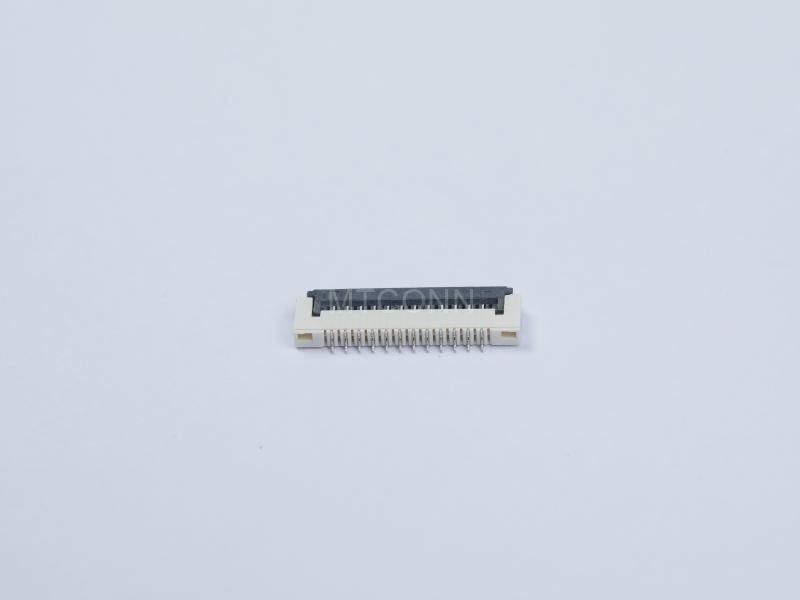
FPC connectors are designed to facilitate connections between various components of a device through flexible printed circuits. These connectors can bend and fold, making them particularly well suited for devices that are compact and often change shape, like foldable smartphones.
In industry terms, FPC connectors are characterized by several attributes, such as pin count, pitch size, and operating temperature range. For example, many FPC connectors for smartphones feature a 0.5mm pitch size, which has been shown to support high-density interconnects while minimizing space usage. Understanding these terms is essential for selecting the right connector type to meet specific device requirements in areas like signal integrity and performance efficiency.
FPC connectors are prevalent across various industries, particularly in the following fields:
Consumer Electronics: Foldable smartphones and wearables demand compact and flexible connections that can undergo repetitive movements without compromising performance.
Automotive: Advanced Driver-Assistance Systems (ADAS) utilize FPC connectors for features like folding displays and touch interfaces, where space-saving and reliable connections are paramount.
Medical Devices: In wearable health monitors and diagnostic equipment, FPC connectors offer a compact solution while maintaining the high performance necessary for accurate readings and patient safety.
These applications highlight the versatility of FPC connectors in environments that require innovative design while maintaining performance standards.
Choosing the right FPC connector type provides several advantages:
Space Efficiency: FPC connectors allow for a reduced footprint, which can lead to slimmer devices. For example, using an FPC connector can save approximately 30% in space compared to traditional connectors, enabling manufacturers to create more compact designs.
Durability: Products equipped with high-quality FPC connectors have shown to exhibit improved longevity, with a typical lifespan of over 10,000 insertion cycles. This robustness is particularly crucial for foldable smartphones that undergo frequent opening and closing.
Signal Integrity: High-performance FPC connectors can significantly enhance signal integrity, reducing loss rates to as low as 0.5 dB at high frequencies, ensuring optimal device performance.
These features make FPC connectors a strategic element in the design and implementation of foldable smartphones, ultimately impacting user satisfaction and device reliability.
For those interested in exploring FPC connectors further, we recommend reading the user guide provided by industry-leading brands like M&T. This guide can offer insights into choosing the right type for your needs, ensuring that you're equipped with the right knowledge to make informed decisions about flexible connections.
Q: What factors should I consider when selecting an FPC connector for a foldable smartphone?
A: Consider parameters such as pitch size, pin count, durability, and thermal performance to ensure that the connector meets your device's specific requirements.
Q: Are FPC connectors more expensive than traditional connectors?
A: While initial costs may be higher due to advanced materials and production techniques, the longevity and performance benefits often outweigh these costs in the long run.
Q: How do I ensure the FPC connector will perform at high frequencies?
A: Select FPC connectors designed with high-frequency performance in mind. Look for those with low insertion loss specifications.
By understanding the significance of FPC connectors in foldable smartphones, manufacturers can enhance their product offerings and stay ahead in an evolving market. If you are looking to learn more about FPC connectors, or if you want to explore specific products, visit M&T's official website for detailed resources and expert support.
Latest News
Learn MoreSep
20, 2026
How Automated Optical Inspection Improves FPC Connector Quality Control
Automated Optical Inspection (AOI) is a process that utilizes cameras and advanced image processing to detect defects in printed circuit boards (PCBs) and flexible printed circuits (FPCs). AOI systems enhance the quality control process by providing real-time inspection and feedback....
Sep
20, 2026
Top Challenges in Exporting FPC Connectors to Europe and North America
As the demand for flexible printed circuit (FPC) connectors continues to rise globally, businesses looking to export these essential components face significant challenges, particularly when targeting markets in Europe and North America. Common pain points include compliance with stringent regulations, navigating complex supply chains, and mitigating currency fluctuations. Addressing these...
Aug
24, 2026
How FPC Connectors Improve Reliability in Foldable Display Devices
How FPC Connectors Improve Reliability in Foldable Display Devices...
Hot Products
Tell us what products you need.
We're here to help and will respond quickly!

Telephone:
+86 769 2305 0865

WeChat:
+86 135 4374 6930 (Jeremy)
+86 134 2479 8678 (Paul)

WhatsApp:

E-mail:


