Aug. 24, 2026
|
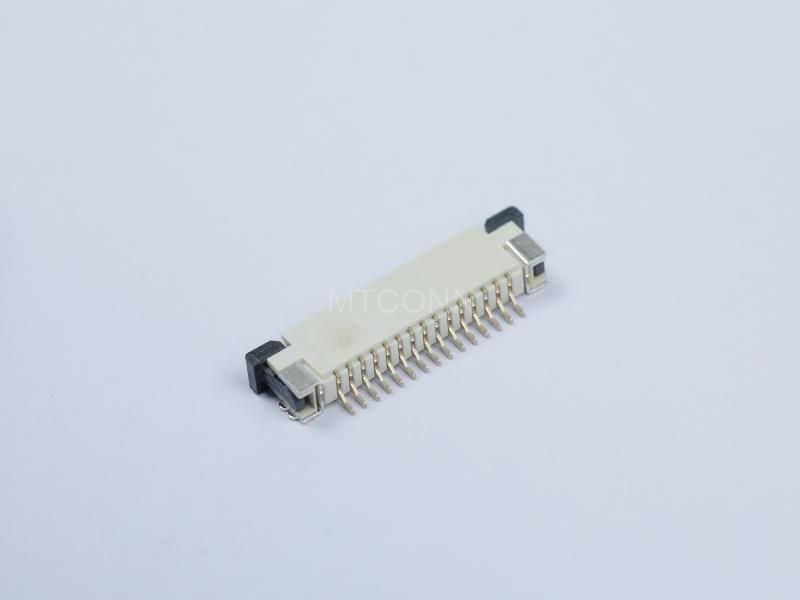
Flexible Printed Circuit (FPC) connectors are essential components in modern electronic devices that establish critical connections between various circuit elements. The operating temperature rating of these connectors is a key specification that determines their reliability and performance in different environmental conditions. As businesses increasingly rely on FPC connectors for applications ranging from smartphones to automotive systems, understanding these temperature ratings can significantly Impact product durability and life cycle costs.
Historically, FPC connectors have evolved alongside the miniaturization of electronic devices. Initially developed for smaller circuit boards, their usage has expanded significantly since their introduction in the 1980s. Today, they are engineered to meet rigorous performance standards, ensuring functionality in harsh temperature environments. For instance, while some standard connectors may operate effectively between -40°C to +85°C, specialized FPC connectors are designed to withstand even broader ranges, which is crucial in applications including industrial machinery and aerospace.
The significance of operating temperature ratings cannot be understated. In real-world applications, FPC connectors subjected to extreme heat or cold may experience performance degradation, resulting in increased failure rates. For businesses, this could mean product recalls, warranty claims, or a tarnished reputation. By choosing FPC connectors with appropriate temperature ratings, companies can ensure better longevity and reliability, thus minimizing risks and maximizing operational efficiency.
Despite the critical importance of these ratings, many buyers harbor misconceptions. One common error is assuming that all connectors labeled for similar temperature ranges will perform equally under stress. In reality, factors such as material composition, connector design, and compliance with industry standards like ASTM or DIN play a significant role in actual performance. For example, an FPC connector made from high-temperature resistant materials may maintain its integrity at elevated temperatures longer than a standard connector produced from generic materials.
To better illustrate the importance of choosing the right FPC connector, consider the case of a smartphone manufacturer that opted for a low-cost connector without adequately evaluating its operating temperature ratings. During summer months of extreme heat, users reported issues with connectivity, leading to significant losses and prompted a comprehensive redesign. Conversely, a leading automotive FPC connector manufacturer, M&T, rigorously tests its products to ensure they meet essential guidelines. Their connectors undergo a 100% inspection process and adhere to demanding performance protocols. This commitment results in connectors capable of withstanding temperatures up to +125°C, ensuring greater reliability in automotive and industrial applications.
In summary, understanding the operating temperature ratings of FPC connectors is vital for any buyer looking to enhance the reliability and durability of their electronic products. These ratings, determined by environmental factors and material specifications, have a direct impact on performance. By avoiding common pitfalls and recognizing the value of choosing high-quality products such as those offered by M&T, businesses can ensure enhanced operational lifespan and customer satisfaction. For further insights or to explore options for robust FPC connectors that meet stringent temperature requirements, consider visiting M&T Connector Tech.
Latest News
Learn MoreNov
20, 2026
How to Reduce SMT Assembly Defects with High-Precision FPC Connectors
Manufacturers regularly encounter significant challenges in minimizing defects during the SMT (Surface Mount Technology) assembly process, particularly when using FPC (Flexible Printed Circuit) connectors. One common pain point is achieving consistent performance and reliability in electronic applications. Consider this: A factory reported that improper FPC connector alignment resulted in a...
Nov
20, 2026
How to Extend the Mating Cycle Life of FPC Connectors
Understanding how to extend the mating cycle life of FPC connectors is essential for OEMs and manufacturers targeting operational efficiency. Today, I will share actionable steps that you can implement immediately to prolong the lifespan of these critical components, ensuring seamless connections and reducing costs associated with replacements. Let’s dive right into it....
Oct
23, 2026
What Buyers Should Check Before Ordering SMT FPC Connectors
In the rapidly evolving tech landscape, the demand for high-performance electronic components has surged. SMT FPC (Surface Mount Technology Flexible Printed Circuit) connectors play a crucial role in this ecosystem, enabling seamless connections in devices ranging from smartphones to medical equipment. However, many buyers struggle with understanding what to consider before placing an order. This...
Hot Products
Tell us what products you need.
We're here to help and will respond quickly!

Telephone:
+86 769 2305 0865

WeChat:
+86 135 4374 6930 (Jeremy)
+86 134 2479 8678 (Paul)

WhatsApp:

E-mail: