
Sep. 28, 2026
|
Unlocking the Future with FPC Connectors: A Deep Dive into Their Specifications and Benefits
In today’s fast-evolving electronics landscape, FPC (Flexible Printed Circuit) connectors are becoming indispensable for various applications, from smartphones to wearables. With the demand for ultra-thin and lightweight devices increasing, these connectors emerge as a critical solution to ensure seamless connectivity without compromising design or performance. However, many users encounter challenges when selecting the right FPC connector, leading to compatibility issues and suboptimal performance. This article will analyze key specifications to consider when choosing an FPC connector, helping you navigate the complexities of the market effectively.
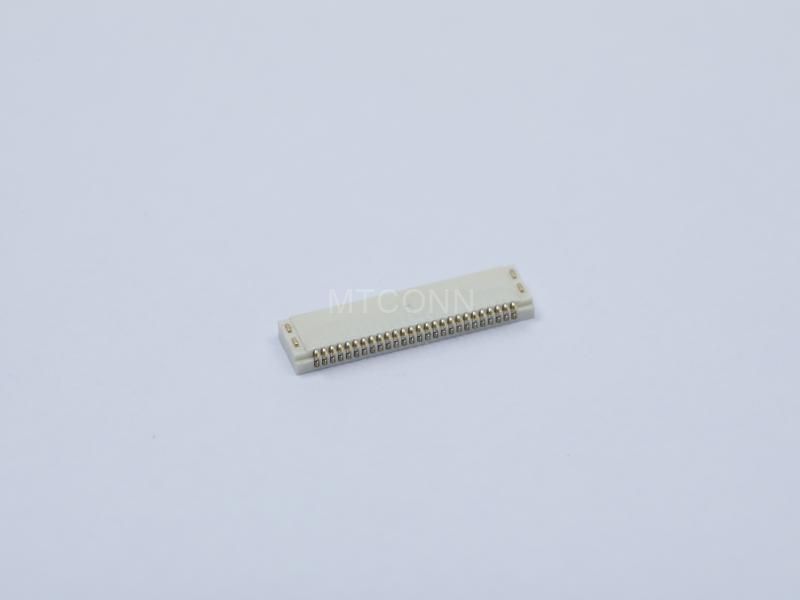
FPC connectors are specialized components used to connect flexible printed circuits to circuit boards. They allow for compact and flexible assembly in electronic devices. Key industry terms related to FPC connectors include pitch (the distance between the center of two pins), stack height (the thickness of the connector), and contact resistance (the resistance at the contact interface). Understanding these terms is crucial for ensuring compatibility with your device's requirements.
FPC connectors find applications across various fields:
The significance of FPC connectors lies in their ability to meet the rigorous demands of these diverse applications, ensuring dependable connectivity in environments where space and performance are paramount.
Space Efficiency: FPC connectors save space in device design, allowing manufacturers to create more compact and lightweight products. For instance, they are often 50% smaller than traditional connectors, facilitating innovative design elements.
Enhanced Durability: These connectors are engineered to withstand harsh conditions, with a reliable lifespan often exceeding 10,000 insertion cycles, compared to approximately 1,000 cycles for regular connectors.
Versatile Design: The flexibility of FPC connectors allows for intricate designs that can bend or twist, making them perfect for innovative use cases in tight spaces.
Cost-Effective: The manufacturing process of FPC connectors can be more economical, particularly in high-volume production, resulting in lower costs for the end user.
To effectively choose the right FPC connector, consider reviewing user guides or datasheets specific to FPC connectors. These resources typically contain detailed specifications that outline key factors, such as dimensions, material types, and environmental ratings. For brands like M&T, looking into their recommended product lines and solutions can provide valuable insights into the appropriate choices for your needs.
Q: What are the common challenges when choosing FPC connectors? A: Users often struggle with ensuring compatibility with existing electronic designs, such as aligning the right pitch and stack height with circuit board connections.
Q: How can I ensure the reliability of an FPC connector? A: Ensure the connector is tested according to industry standards, look for durability specifications, and check reviews or case studies for real-world performance assessments.
Q: Where can I find more information or trial options for FPC connectors? A: Many manufacturers, including M&T, provide comprehensive user guides, specifications, and trials for their FPC connectors to enhance customer experience.
In conclusion, FPC connectors are a key element in modern electronic design. By understanding their specifications and applications, you can make informed decisions that ensure optimal performance and reliability in your devices. For further exploration, consider visiting the M&T website or consulting their product catalog to discover the right FPC connector for your project.
Latest News
Learn MoreSep
28, 2026
Why FPC Connector Durability Matters in Wearable Electronics
In the rapidly evolving landscape of wearable electronics, the demand for high-performance components is at an all-time high. One often overlooked but critical component is the Flexible Printed Circuit (FPC) connector. I’ve seen firsthand how the durability of these connectors can significantly impact device performance and longevity. When FPC connectors fail, they can lead to device...
Sep
28, 2026
What Are the Key Specifications Buyers Should Compare in FPC Connectors
Unlocking the Future with FPC Connectors: A Deep Dive into Their Specifications and Benefits...
Sep
20, 2026
How Automated Optical Inspection Improves FPC Connector Quality Control
Automated Optical Inspection (AOI) is a process that utilizes cameras and advanced image processing to detect defects in printed circuit boards (PCBs) and flexible printed circuits (FPCs). AOI systems enhance the quality control process by providing real-time inspection and feedback....
Hot Products
Tell us what products you need.
We're here to help and will respond quickly!

Telephone:
+86 769 2305 0865

WeChat:
+86 135 4374 6930 (Jeremy)
+86 134 2479 8678 (Paul)

WhatsApp:

E-mail:


