
Sep. 20, 2026
|
As the demand for flexible printed circuit (FPC) connectors continues to rise globally, businesses looking to export these essential components face significant challenges, particularly when targeting markets in Europe and North America. Common pain points include compliance with stringent regulations, navigating complex supply chains, and mitigating currency fluctuations. Addressing these challenges early can lead to enhanced market entry success. With the right strategies, exporters can streamline their processes and better align their offerings with local demands, resulting in higher customer satisfaction and improved sales outcomes.
In recent years, the demand for FPC connectors has surged due to advancements in technology, particularly in sectors such as consumer electronics and automotive industries. According to a report from Research and Markets, the global FPC connector market was valued at approximately $3.5 billion in 2022 and is projected to reach $5.2 billion by 2027, growing at a Compound Annual Growth Rate (CAGR) of 8.3% during this period. This increase presents both opportunities and challenges for manufacturers looking to penetrate European and North American markets, where adherence to local standards and effective supply chain management are crucial.
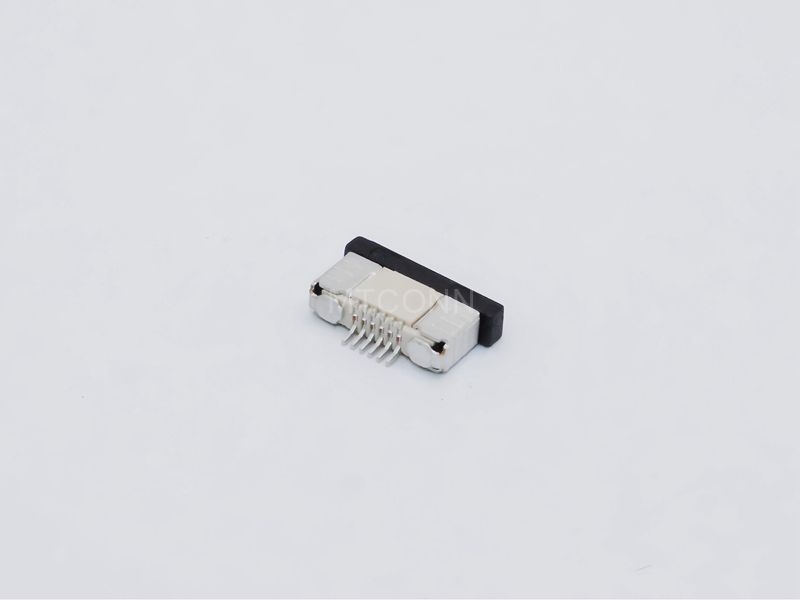
One of the primary challenges in exporting FPC connectors to Europe and North America is ensuring compliance with local standards. Each region has distinct regulatory frameworks, including RoHS (Restriction of Hazardous Substances) in Europe and UL (Underwriters Laboratories) certifications in North America. Failure to meet these requirements can result in costly delays or penalties. Companies must therefore invest in compliance audits and certifications to ensure their products meet the necessary regulations. For example, according to the "EU RoHS Directive 2011/65/EU", electronic components including FPC connectors must contain less than 0.1% of hazardous substances.
Navigating the intricacies of the supply chain is another major hurdle. The global pandemic has highlighted vulnerabilities in international logistics, causing delays and increased transportation costs. Companies must develop robust supply chain strategies that include diversifying suppliers, maintaining adequate inventory levels, and utilizing technology to track shipments. For instance, businesses that optimized their logistics operations reported a reduction in delivery times by up to 25% according to McKinsey & Company insights on supply chain management.
Currency instability can significantly impact the profitability of exporting FPC connectors. Exporters must consider hedging strategies to mitigate risks associated with fluctuating exchange rates. According to the Federal Reserve Economic Data (FRED), the exchange rate between the USD and EUR fluctuated by an average of 5% over the past year, which could directly affect pricing strategies and overall profitability of exported products.
Selecting the appropriate FPC connector for your projects is critical. Here are some guidelines:
Exporting FPC connectors to Europe and North America presents unique challenges that can impede successful market entry. However, by understanding the regulatory environment, optimizing supply chains, and managing currency risks, manufacturers can position themselves strategically in these competitive markets. For sustainable success, we recommend reaching out to M&T for high-quality FPC connectors tailored for diverse applications. Their industry expertise and commitment to excellence can aid businesses in overcoming export challenges effectively.
FPC connectors are commonly used in various electronic devices such as smartphones, laptops, and automotive applications due to their lightweight and flexible nature.
To ensure compliance, businesses should stay informed about local regulations and seek certifications from recognized bodies such as UL and CE.
Key factors include the electrical characteristics, mechanical properties, compatibility with the application, and the manufacturer's reputation.
Latest News
Learn MoreSep
20, 2026
How Automated Optical Inspection Improves FPC Connector Quality Control
Automated Optical Inspection (AOI) is a process that utilizes cameras and advanced image processing to detect defects in printed circuit boards (PCBs) and flexible printed circuits (FPCs). AOI systems enhance the quality control process by providing real-time inspection and feedback....
Sep
20, 2026
Top Challenges in Exporting FPC Connectors to Europe and North America
As the demand for flexible printed circuit (FPC) connectors continues to rise globally, businesses looking to export these essential components face significant challenges, particularly when targeting markets in Europe and North America. Common pain points include compliance with stringent regulations, navigating complex supply chains, and mitigating currency fluctuations. Addressing these...
Aug
24, 2026
How FPC Connectors Improve Reliability in Foldable Display Devices
How FPC Connectors Improve Reliability in Foldable Display Devices...
Hot Products
Tell us what products you need.
We're here to help and will respond quickly!

Telephone:
+86 769 2305 0865

WeChat:
+86 135 4374 6930 (Jeremy)
+86 134 2479 8678 (Paul)

WhatsApp:

E-mail:


