
Mar. 23, 2026
|
The rapid increase in the adoption of USB-C connectors has brought significant challenges for electrical connector manufacturers. With diverse applications across industries, ensuring that these connectors meet global compliance standards becomes crucial to avoid costly recalls and enhance consumer trust. This article provides actionable insights to address compliance issues effectively, thereby saving manufacturers time and resources while boosting their reputation in the market. From understanding regional regulations to ensuring product safety, our comprehensive tips aim to mitigate risks associated with non-compliance scenarios.
Why: Different regions have varied regulatory requirements that must be adhered to for successful product launch.
Electrical connector manufacturers should research and familiarize themselves with compliance standards critical for USB-C connectors across major markets, including the European Union's CE marking and the U.S. FCC regulations. This method ensures that your product is compliant globally, thus broadening market access.
For companies targeting multiple regions, leveraging compliance consultancy services is advisable to ensure thorough adaptation of products to specific local regulations.
Why: Regular and thorough testing guarantees that your connectors perform reliably under various conditions.
Implement rigorous testing protocols to evaluate electrical safety, thermal properties, and overall performance of your USB-C connectors. Engage accredited laboratories for third-party testing to obtain the necessary certifications that vouch for your product's safety and efficacy. For instance, UL certification is widely recognized and can significantly enhance your market credibility.
This approach is crucial for manufacturers producing high-power USB-C connectors typically used in laptops and power banks, where safety is paramount.
Why: Compliance landscape evolves continuously; staying updated ensures sustained adherence.
Subscribing to industry newsletters and becoming a member of relevant associations such as the USB Implementers Forum (USB-IF) keeps manufacturers informed about the latest changes in compliance standards, best practices, and technological advancements. Involvement in industry events helps enhance knowledge and adaptability.
This technique best serves manufacturers aiming for cutting-edge technology integration while maintaining compliance.
Why: A rigorous quality control process minimizes defects and enhances compliance.
Integrate a robust quality management system that includes regular audits of suppliers. Establish criteria for selecting materials that meet compliance standards, and ensure your suppliers are ISO certified for quality management. Implement an internal quality assurance team to oversee production processes actively.
This is particularly beneficial for manufacturers sourcing materials from regions with varying quality regulations, ensuring continuity and reliability of final products.
Why: Proper documentation is essential for verifying compliance during audits or inspections.
Maintain comprehensive records of compliance testing, certifications, materials used, and production processes. Utilize Digital Quality Management Systems (DQMS) that assist in tracking and managing documentation easily, making it less burdensome during compliance audits.
This is especially helpful for manufacturers aiming for international certification by ensuring all compliance evidence is readily available and accurate.
In summary, ensuring USB-C connectors meet global compliance standards involves understanding regional regulations, conducting regular performance tests, staying updated with industry trends, investing in quality control, and maintaining thorough documentation. By implementing these strategies, electrical connector manufacturers can significantly reduce compliance-related issues and enhance their brand's reliability.
The common compliance standards include CE marking in the EU, FCC regulations in the U.S., and RoHS for hazardous substances in electronics.
Testing frequency should be determined by changes in design or materials, but at a minimum, products should be tested annually.
Suppliers can impact the overall compliance of the product, as their materials must meet specific standards and contribute to the safety and performance of the final product.
A Digital Quality Management System streamlines the documentation process, ensuring all records are organized, easily accessible, and compliant with regulations.
For more insights on electrical connectors and compliance, consider looking at innovations from brands like M&T, which provide quality safety certifications through their advanced technological frameworks. 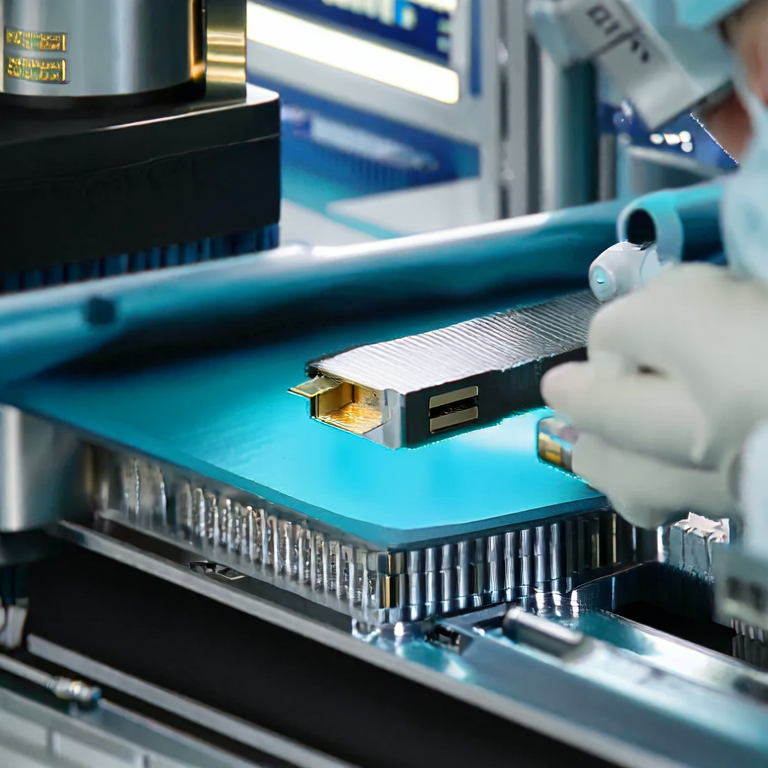
Latest News
Learn MoreSep
28, 2026
Why FPC Connector Durability Matters in Wearable Electronics
In the rapidly evolving landscape of wearable electronics, the demand for high-performance components is at an all-time high. One often overlooked but critical component is the Flexible Printed Circuit (FPC) connector. I’ve seen firsthand how the durability of these connectors can significantly impact device performance and longevity. When FPC connectors fail, they can lead to device...
Sep
28, 2026
What Are the Key Specifications Buyers Should Compare in FPC Connectors
Unlocking the Future with FPC Connectors: A Deep Dive into Their Specifications and Benefits...
Sep
20, 2026
How Automated Optical Inspection Improves FPC Connector Quality Control
Automated Optical Inspection (AOI) is a process that utilizes cameras and advanced image processing to detect defects in printed circuit boards (PCBs) and flexible printed circuits (FPCs). AOI systems enhance the quality control process by providing real-time inspection and feedback....
Hot Products
Tell us what products you need.
We're here to help and will respond quickly!

Telephone:
+86 769 2305 0865

WeChat:
+86 135 4374 6930 (Jeremy)
+86 134 2479 8678 (Paul)

WhatsApp:

E-mail:


