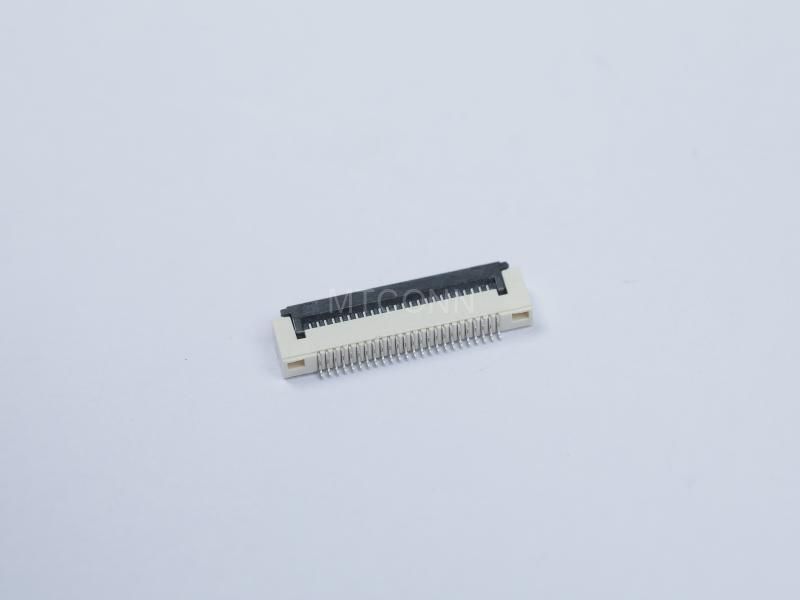
How to Improve Electrical Stability in Compact FPC Connector Designs

Jul. 24, 2026

|

Share:

Understanding the Basics of FPC Connectors

What is an FPC Connector?

Flexible Printed Circuit (FPC) Connectors are compact, versatile components that facilitate the connection of multiple electrical signals in a small footprint. They are widely used in various electronic devices due to their lightweight and space-saving properties.

Why Electrical Stability Matters

Electrical stability is crucial in FPC connector designs to ensure reliable performance, prevent signal degradation, and avoid malfunctions in electronic devices. Achieving stability contributes to the overall longevity and efficiency of the system.

Step-by-Step Guide to Improve Electrical Stability

Step 1: Assess Design Requirements

Before starting the design process, assess your project requirements. Consider factors such as:

  • Electrical specifications (voltage, current, signal type)
  • Environmental conditions (temperature, humidity, vibration)
  • Space constraints

Step 2: Select High-Quality Materials

Choosing the right substrates and insulating materials is key to enhance stability. Consider these options:

  • Polyimide or polyester for flexibility and thermal resistance
  • Gold or nickel plating for corrosion resistance

Step 3: Optimize Connector Design

Focus on the physical layout and dimensions of the connector:

  • Maintain the minimum spacing between traces to avoid crosstalk
  • Use staggered pins to improve contact and reduce impedance
  • Design with a ground plane to minimize noise and improve signal integrity

Step 4: Implement Shielding Techniques

Improve electrical stability by employing shielding methods:

  • Utilizing conductive materials to shield sensitive traces
  • Incorporating ferrite beads to suppress high-frequency noise

Step 5: Validate Design Through Simulation

Before production, validate your design using simulation tools. Focus on:

  • Signal integrity analysis
  • Thermal analysis under operational conditions
  • Electromagnetic interference testing

Step 6: Prototype and Test

Create prototypes of your design and conduct rigorous testing to ensure stability:

  • Perform life cycle testing to simulate real-world conditions
  • Assess connector performance under varying temperatures and humidity levels

Common Mistakes to Avoid

When developing your FPC connector, be cautious of these pitfalls:

  • Neglecting adequate grounding and shielding
  • Overlooking the thermal management requirements
  • Insufficient testing before mass production

Conclusion

Improving electrical stability in compact FPC connector designs is essential for ensuring the robust performance of electronic devices. By following the steps outlined above, you can create reliable and efficient connectors that fulfill the demands of modern applications. For high-quality FPC connectors, consider M&T here.

< FPC Connector Review: 0.3mm vs 0.5mm Pitch for Compact Electronics > How to Select FPC Connectors for Automotive Electronics Applications

Latest News

Learn More

Oct

23, 2026

What Buyers Should Check Before Ordering SMT FPC Connectors

In the rapidly evolving tech landscape, the demand for high-performance electronic components has surged. SMT FPC (Surface Mount Technology Flexible Printed Circuit) connectors play a crucial role in this ecosystem, enabling seamless connections in devices ranging from smartphones to medical equipment. However, many buyers struggle with understanding what to consider before placing an order. This...

Oct

23, 2026

ZIF vs LIF FPC Connectors: Which Is Better for Consumer Electronics

In today’s rapidly evolving electronics market, consumers frequently ask: "ZIF or LIF FPC connectors, which one should I choose?" This question is crucial for engineers and product designers who seek reliability, performance, and cost-effectiveness in their devices. For instance, consider the case of a tech enthusiast, John, who faced issues with connector failures in his DIY electronic...

Sep

28, 2026

Why FPC Connector Durability Matters in Wearable Electronics

In the rapidly evolving landscape of wearable electronics, the demand for high-performance components is at an all-time high. One often overlooked but critical component is the Flexible Printed Circuit (FPC) connector. I’ve seen firsthand how the durability of these connectors can significantly impact device performance and longevity. When FPC connectors fail, they can lead to device...

Hot Products

Leave Your Message

Tell us what products you need.

We're here to help and will respond quickly!

Telephone:

+86 769 2305 0865

WeChat:

+86 135 4374 6930 (Jeremy)

+86 134 2479 8678 (Paul)

*
*
*
*
  • aaa--bbbb
  • Afghanistan
  • Albania
  • Algeria
  • American Samoa
  • Andorra
  • Angola
  • Anguilla
  • Antarctica
  • Antigua and Barbuda
  • Argentina
  • Armenia
  • Aruba
  • Australia
  • Austria
  • Azerbaijan
  • Bahamas
  • Bahrain
  • Bangladesh
  • Barbados
  • Belarus
  • Belgium
  • Belize
  • Benin
  • Bermuda
  • BBhutan
  • Bolivia
  • Bosnia and Herzegovina
  • Botswana
  • Bouvet Island
  • Brazil
  • British Indian Ocean Territory
  • Brunei Darussalam
  • Bulgaria
  • Burkina Faso
  • Burundi
  • Cambodia
  • Cameroon
  • Canada
  • Cape Verde
  • Cayman Islands
  • Central African Republic
  • Chad
  • Chile
  • China
  • Christmas Island
  • Cocos (Keeling) Islands
  • Colombia
  • Comoros
  • Congo
  • Cook Islands
  • Costa Rica
  • Cote D'Ivoire
  • Croatia
  • Cuba
  • Cyprus
  • Czech Republic
  • Denmark
  • Djibouti
  • Dominica
  • East Timor
  • Ecuador
  • Egypt
  • El Salvador
  • Equatorial Guinea
  • Eritrea
  • Estonia
  • Ethiopia
  • Falkland Islands (Malvinas)
  • Faroe Islands
  • Fiji
  • Finland
  • France, Metropolitan
  • French Guiana
  • French Polynesia
  • Gabon
  • Gambia
  • Georgia
  • Germany
  • Ghana
  • Gibraltar
  • Greece
  • Greenland
  • Grenada
  • Guadeloupe
  • Guam
  • Guatemala
  • Guinea
  • Guinea-Bissau
  • Guyana
  • Haiti
  • Honduras
  • Hong Kong, China
  • Hungary
  • Iceland
  • India
  • Indonesia
  • Iran (Islamic Republic of)
  • Iraq
  • Ireland
  • Israel
  • Italy
  • Jamaica
  • Japan
  • Jordan
  • Kazakhstan
  • Kenya
  • Kiribati
  • North Korea
  • South Korea
  • Kuwait
  • Kyrgyzstan
  • Lao People's Democratic Republic
  • Latvia
  • Lebanon
  • Lesotho
  • Liberia
  • Libyan Arab Jamahiriya
  • Liechtenstein
  • Lithuania
  • Luxembourg
  • Macau
  • Madagascar
  • Malawi
  • Malaysia
  • Maldives
  • Mali
  • Malta
  • Marshall Islands
  • Martinique
  • Mauritania
  • Mauritius
  • Mayotte
  • Mexico
  • Micronesia
  • Moldova
  • Monaco
  • Mongolia
  • Montserrat
  • Morocco
  • Mozambique
  • Myanmar
  • Namibia
  • Nauru
  • Nepal
  • Netherlands
  • New Caledonia
  • New Zealand
  • Nicaragua
  • Niger
  • Nigeria
  • Niue
  • Norfolk Island
  • Northern Mariana Islands
  • Norway
  • Oman
  • Pakistan
  • Palau
  • Panama
  • Papua New Guinea
  • Paraguay
  • Peru
  • Philippines
  • Pitcairn
  • Poland
  • Portugal
  • Puerto Rico
  • Qatar
  • Reunion
  • Romania
  • Russian Federation
  • Rwanda
  • Saint Kitts and Nevis
  • Saint Lucia
  • Saint Vincent and the Grenadines
  • Samoa
  • San Marino
  • Saudi Arabia
  • Senegal
  • Seychelles
  • Sierra Leone
  • Singapore
  • Slovak Republic
  • Slovenia
  • Solomon Islands
  • Somalia
  • South Africa
  • Spain
  • Sri Lanka
  • St. Helena
  • Sudan
  • Suriname
  • Swaziland
  • Sweden
  • Switzerland
  • Syrian Arab Republic
  • Taiwan, China
  • Tajikistan
  • Tanzania
  • Thailand
  • Togo
  • Tokelau
  • Tonga
  • Trinidad and Tobago
  • Tunisia
  • Turkey
  • Turkmenistan
  • Turks and Caicos Islands
  • Tuvalu
  • Uganda
  • Ukraine
  • United Arab Emirates
  • United Kingdom
  • United States
  • Uruguay
  • Uzbekistan
  • Vanuatu
  • Vatican City State (Holy See)
  • Venezuela
  • Viet Nam
  • Virgin Islands (U.S.)
  • Wallis and Futuna Islands
  • Western Sahara
  • Yemen
  • Zambia
  • Zimbabwe
  • Montenegro
  • Serbia
  • Palestine
  • South Sudan
  • Jersey
*
*
Jeremy Wang

Jeremy Wang

Paul Ye

Paul Ye