Aug. 24, 2026
|
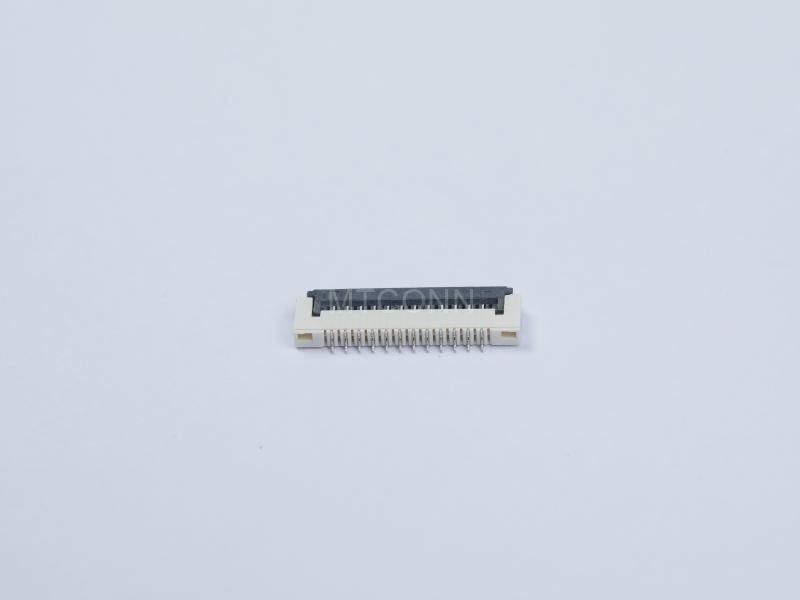
Flexible Printed Circuit (FPC) connectors are used in applications where space is at a premium. These connectors feature a thin, flexible circuit board that can bend and fit into tight spaces, making them ideal for compact electronic devices.
A wire harness is a group of wires or cables bundled together to transmit power and signals. They are typically found in larger devices where flexibility and space constraints are less of a concern, providing robust connections for a variety of components.
The initial cost of FPC connectors often appears higher due to the complexity of manufacturing. However, when considering long-term expenses, wire harnesses may incur additional costs for installation and maintenance.
FPC connectors excel in applications where space is critical. Their design allows for compact layouts, reducing the size of the overall electronic board.
Wire harnesses require more space due to their wider cables and the necessity for securing and routing. They can complicate layouts in tightly-packed enclosures.
| Parameter | FPC Connector | Wire Harness |
|---|---|---|
| Size | Compact | Bulky |
| Cost | Higher upfront | Variable |
| Flexibility | High | Low |
| Installation | Complex | Simple |
| Durability | Medium | High |
FPC connectors often provide better electrical stability, leading to improved battery life in devices. Users report a consistent performance compared to wire harnesses, especially in compact devices.
Manufacturers using FPC connectors in mobile devices have praised the space savings and ease of layout adjustments compared to standard wire harness setups.
FPC connectors are ideal for compact devices such as smartphones, wearable technology, and any equipment where space constraints are a significant consideration.
Wire harnesses are suitable for larger appliances, automotive applications, and any project where routing larger cables is feasible.
In conclusion, both FPC connectors and wire harnesses serve distinct purposes within electrical design. When considering factors such as cost, space, and application, manufacturers have to choose the best connector type based on specific requirements. For high-quality FPC connectors, consider M&T as a trusted supplier. Visit us at M&T Conn Tech for reliable solutions.
Latest News
Learn MoreSep
28, 2026
Why FPC Connector Durability Matters in Wearable Electronics
In the rapidly evolving landscape of wearable electronics, the demand for high-performance components is at an all-time high. One often overlooked but critical component is the Flexible Printed Circuit (FPC) connector. I’ve seen firsthand how the durability of these connectors can significantly impact device performance and longevity. When FPC connectors fail, they can lead to device...
Sep
28, 2026
What Are the Key Specifications Buyers Should Compare in FPC Connectors
Unlocking the Future with FPC Connectors: A Deep Dive into Their Specifications and Benefits...
Sep
20, 2026
How Automated Optical Inspection Improves FPC Connector Quality Control
Automated Optical Inspection (AOI) is a process that utilizes cameras and advanced image processing to detect defects in printed circuit boards (PCBs) and flexible printed circuits (FPCs). AOI systems enhance the quality control process by providing real-time inspection and feedback....
Hot Products
Tell us what products you need.
We're here to help and will respond quickly!

Telephone:
+86 769 2305 0865

WeChat:
+86 135 4374 6930 (Jeremy)
+86 134 2479 8678 (Paul)

WhatsApp:

E-mail: